Giorgio Scola
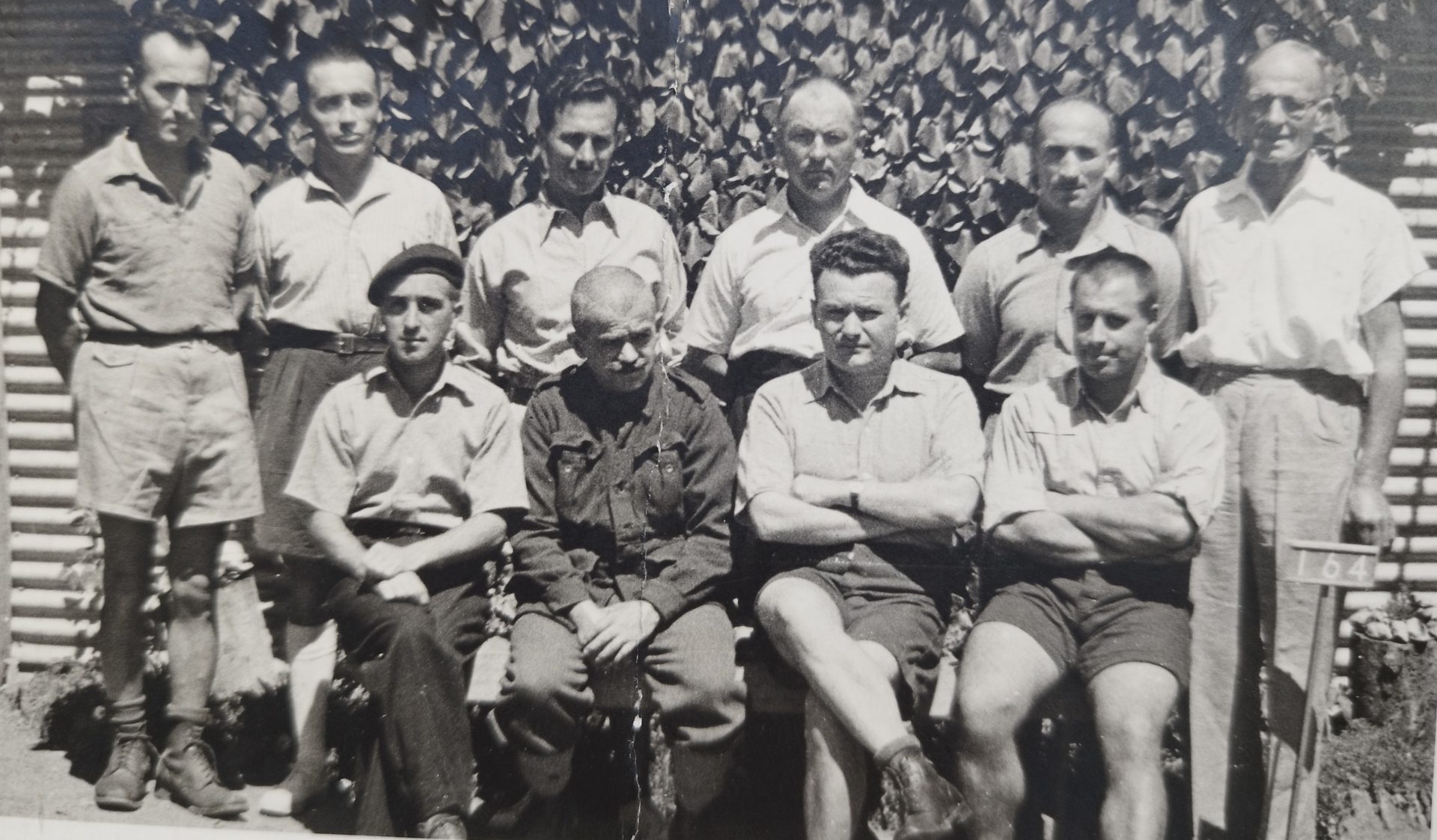
Giorgio Enrico Scola was born in San Remo, Liguria, in 1916. His parents migrated to Britain in the early 1920s with their sons. They lived in London, and Giorgio studied Architecture after completing school. He joined the Italian Fascist Party in the 1930s and was almost certainly on the list of party members obtained by British intelligence (MI5) to identify potentially dangerous characters.
The day after Mussolini declared war in June 1940 Giorgio was arrested and held in a series of temporary internment camps in England. He boarded the ill-fated Arandora Star which was torpedoed and sunk off the coast of Ireland with the loss of over 800 lives (half of whom were Italian, including a number of anti-Fascists and Italians who worked in the hotel and restaurant trade and had no involvement in politics, as well as German/Austrian mainly Jewish refugees who were mixed in with German Nazis). Giorgio survived, and just ten days after this traumatic experience, he and other survivors of the Arandora Star tragedy were forced on board another ship, the Dunera, to be deported to a destination unknown to the internees.
They were repeatedly robbed by the military guard on board, sometimes violently, and the Dunera narrowly missed being hit by torpedoes fired at the ship. It was rumored and later confirmed that they were heading for Australia.
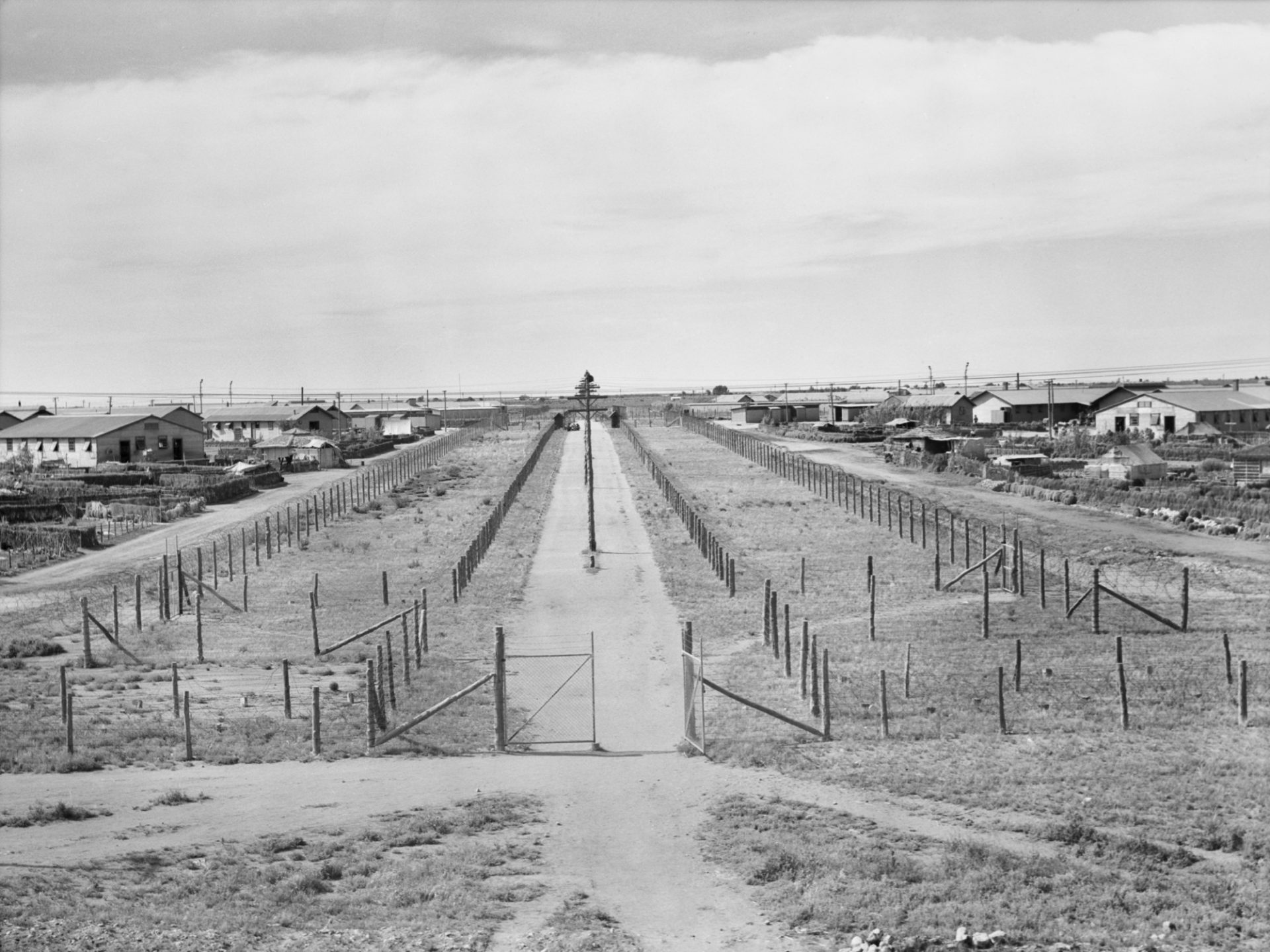
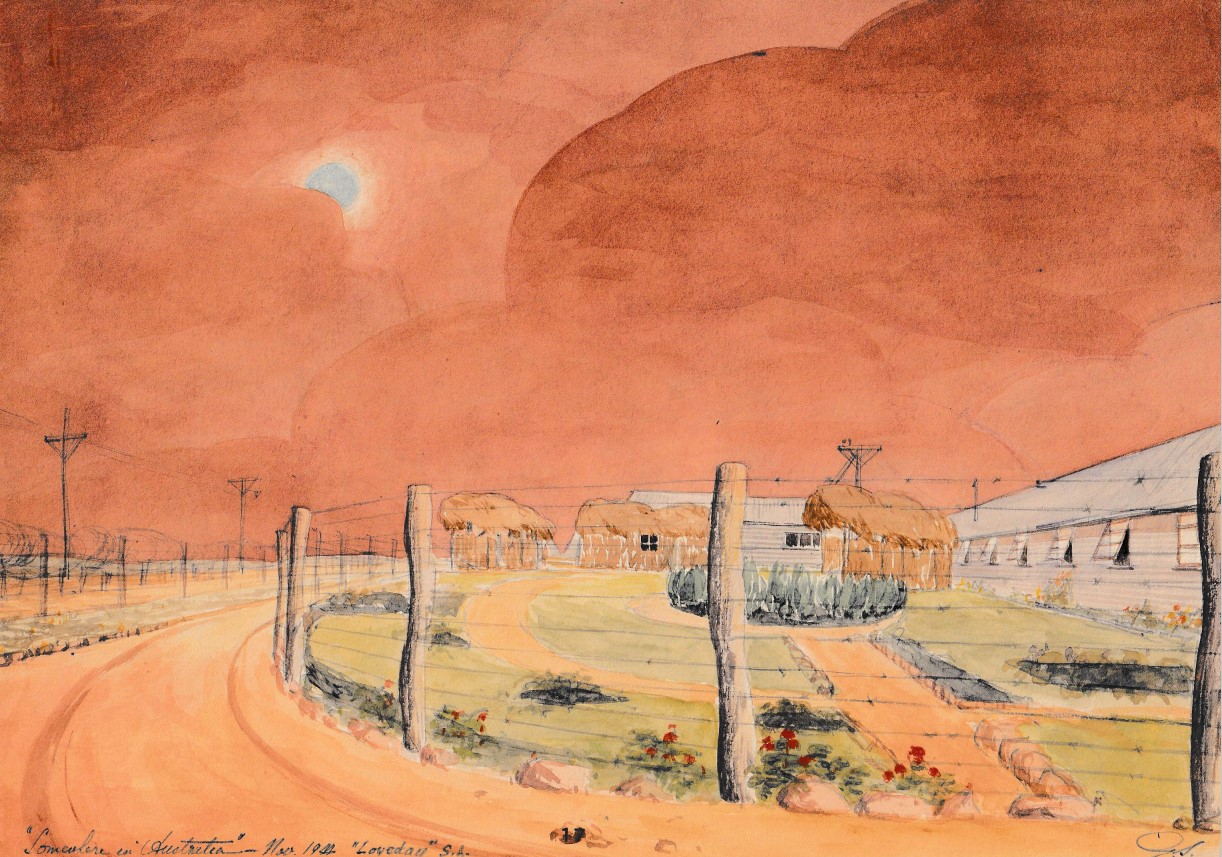
Giorgio disembarked in Melbourne in September 1940 and was taken to Tatura Camp, Victoria. He had two spells at Loveday, from December 1941 until September 1942 in Camp 9 and 10, and from February 1944 to January 1945 in Camp 14D. On both occasions he returned to Tatura. In April 1942 he witnessed the discovery of an escape tunnel. His account of the discovery can be found here.
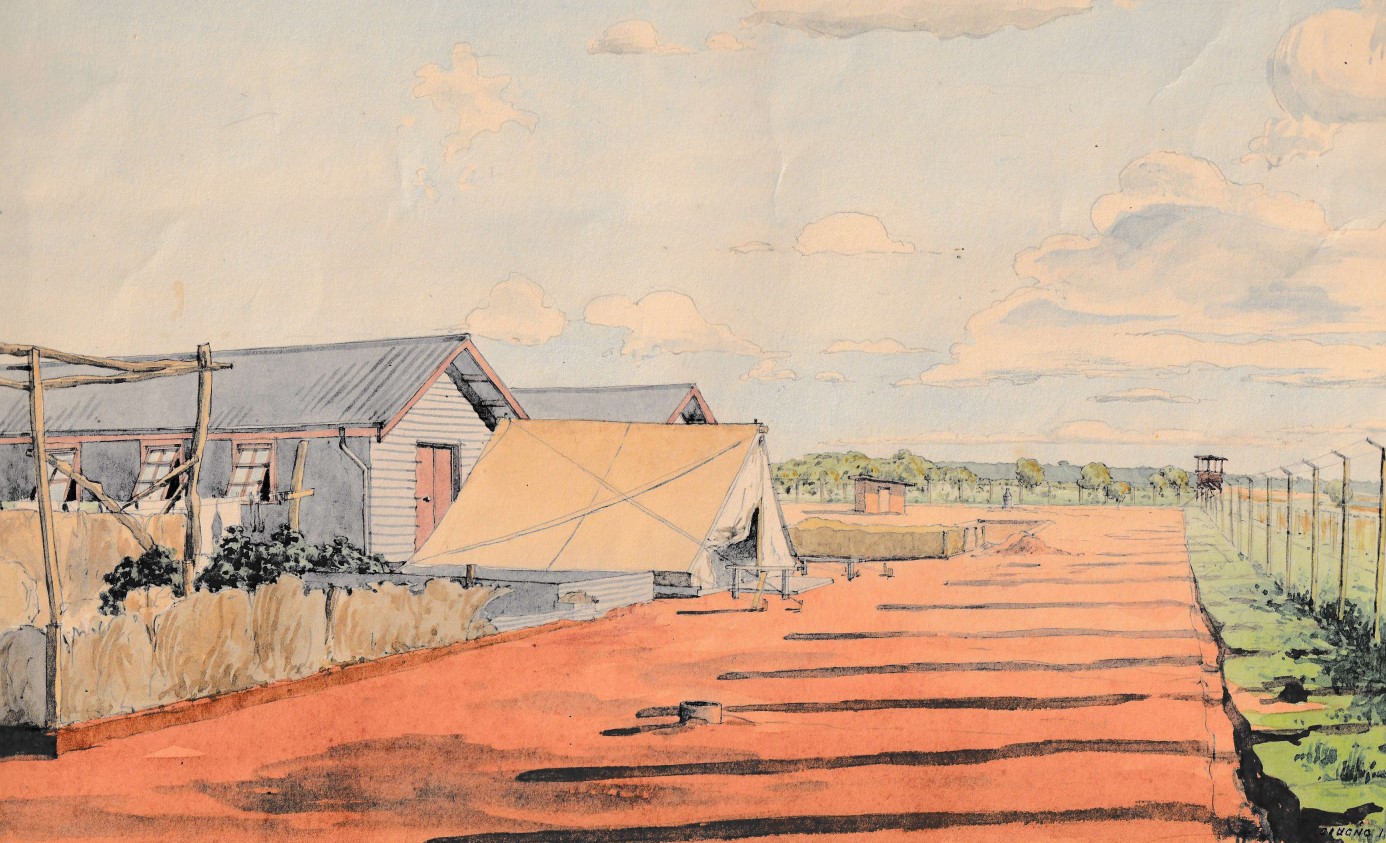
He found Loveday ‘considerably hotter than Tatura’, noted that ‘the temperature reached 104°F in the shade’ and described Loveday Camp 10 as ‘untidy looking in barren scrub landscape’.
Two months after the King of Italy ordered Mussolini’s arrest (in July 1943) Giorgio applied for permission to return to Briain. But a conduct report from Tatura says that he ‘has been actively engaged in terrorizing and blackmailing the internees who are not pro-fascist’. The application was turned down and a further refusal was made in April 1944.
Subsequently, a report issued from Loveday in August 1944, nearly a year after the Italian armistice, describes his ‘political outlook’ as ‘Ex Fascist Good Italian’. In October 1944 it is noted that his ‘record during 7 months at Loveday is that he is a ‘good clean intelligent type’. By January 1945 it is noted, ‘Since his return to Tatura his behaviour has been good. Appears to keep very much to himself. His outlook has changed and does not show openly Fascist leanings as was the case prior to his transfer to Loveday.’
Many Italian internees were released before Giorgio. This was no doubt due to his Fascist views and may not have been helped by intelligence from censorship in October 1943 that a letter revealed his father was a Sub Lieutenant in the Italian Army working as an English interpreter.
Giorgio finally received permission to return to Britain in December 1944, and after a few weeks in a tented camp outside Sydney he boarded the Dominion Monarch on 5 March 1945. He arrived in Liverpool on April 19 and was held on the Isle of Man until his final release in late August. He was one of the relatively few Italians who produced a detailed account of his internment. An edited version of his diary, illustrated with watercolours and drawings he made in the Australian camps, can be found here.
Despite being an avid traveler, he never returned to Australia, and almost never spoke about his experiences. He married an Italian, Fiammetta Cattaneo, in 1950, obtained British citizenship in 1953, and had three children, who were brought up as British citizens, fully integrated into British society. He attended masses for the victims of the Arandora Star in London with a few other survivors and was given an honorary ‘knighthood’ (Cavaliere de merito) by the Italian State on the 50th anniversary of the tragedy. Despite his experiences he loved Britain and appeared not to resent his treatment, and instead said he was probably safer and better fed in Australia than many people in London.
He never completed his pre-war architecture studies but used what he had learned to survey sites after the war and later joined the Civil Service as a Draughtsman and then Assistant Architect. On his retirement in 1982 he was awarded an Imperial Service Medal for 32 years of meritorious work for the British Government’s Property Services Agency – his previous status as an enemy alien and possible collaborator in the event of Nazi invasion long forgotten.
He died in 2006 leaving his wife, three children, seven grandchildren and one great grandchild. He would have loved to meet the other ten great grandchildren born after he passed.
Additional resources:
Author: Julian Scola
Sources:
Carr, Gilly and Rachel Pistol (eds.), British Internment and the Internment of Britons: Second World War Camps, History and Heritage, London: Bloomsbury, 2023
Gilman, Peter and Leni, ‘Collar the Lot!’: How Britain interned and expelled its wartime refugees, London and New York: Quartet Books, 1980
Knee, Lurline and Arthur, Marched In, Tatura: Tatura and District Historical Society, 2008
Lafitte, Francois, The Internment of Aliens, London: Libris, 1988 (1940).
NAA: A367, C74980, Scola Giorgio
NAA: D1901, S3330, SCOLA Giorgio
NAA: MP1103/1, E25164, Prisoner of War/Internee: Scola, Giorgio; Date of birth - 30 August 1916; Nationality – Italian
Scola family records
Scola, Giorgio Enrico, ‘12,000 miles behind barbed wire: The internment of Giorgio Enrico Scola’, unpublished diary, edited by Julian Scola, 2024